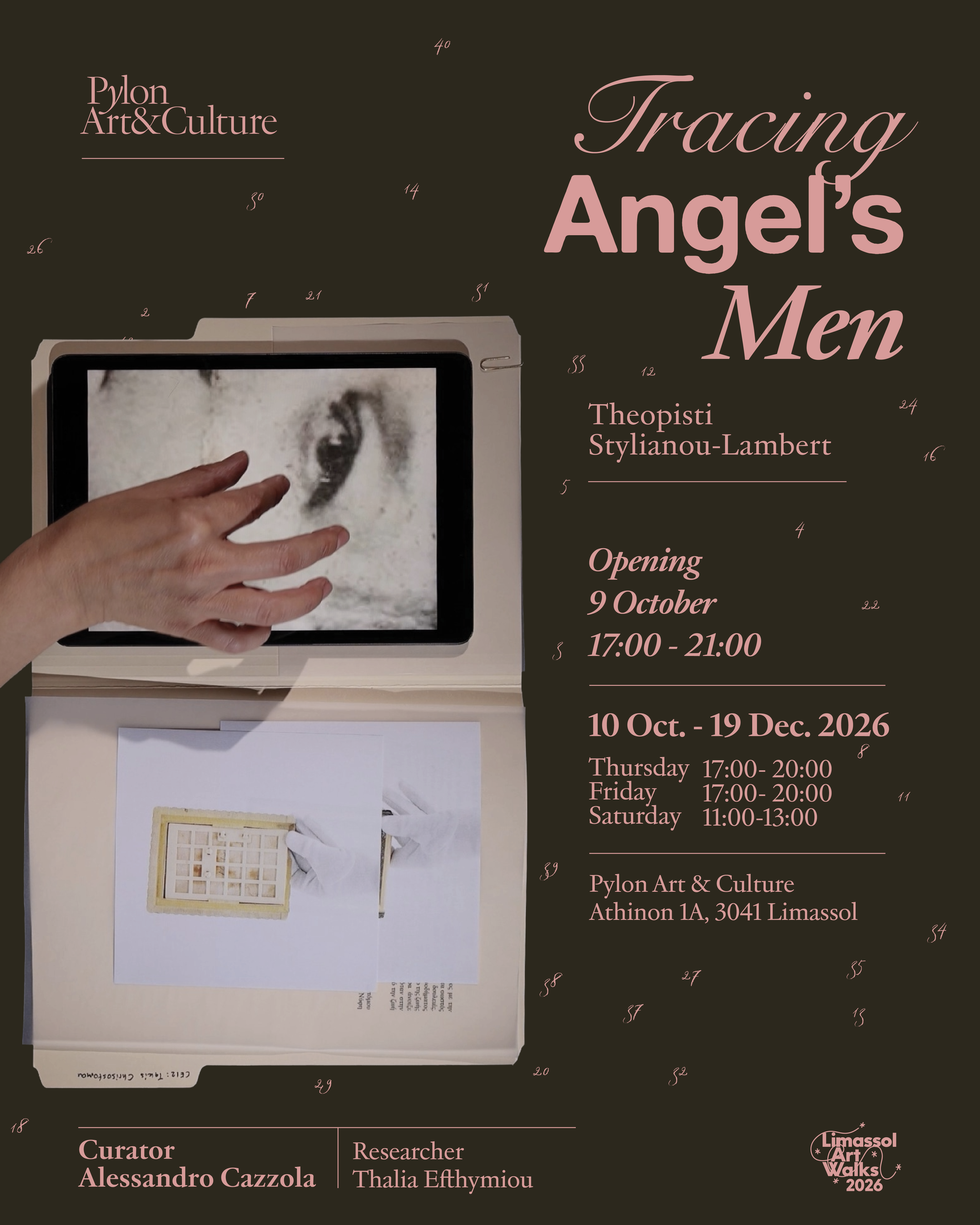
Tracing Angel’s Men (2025-2026)
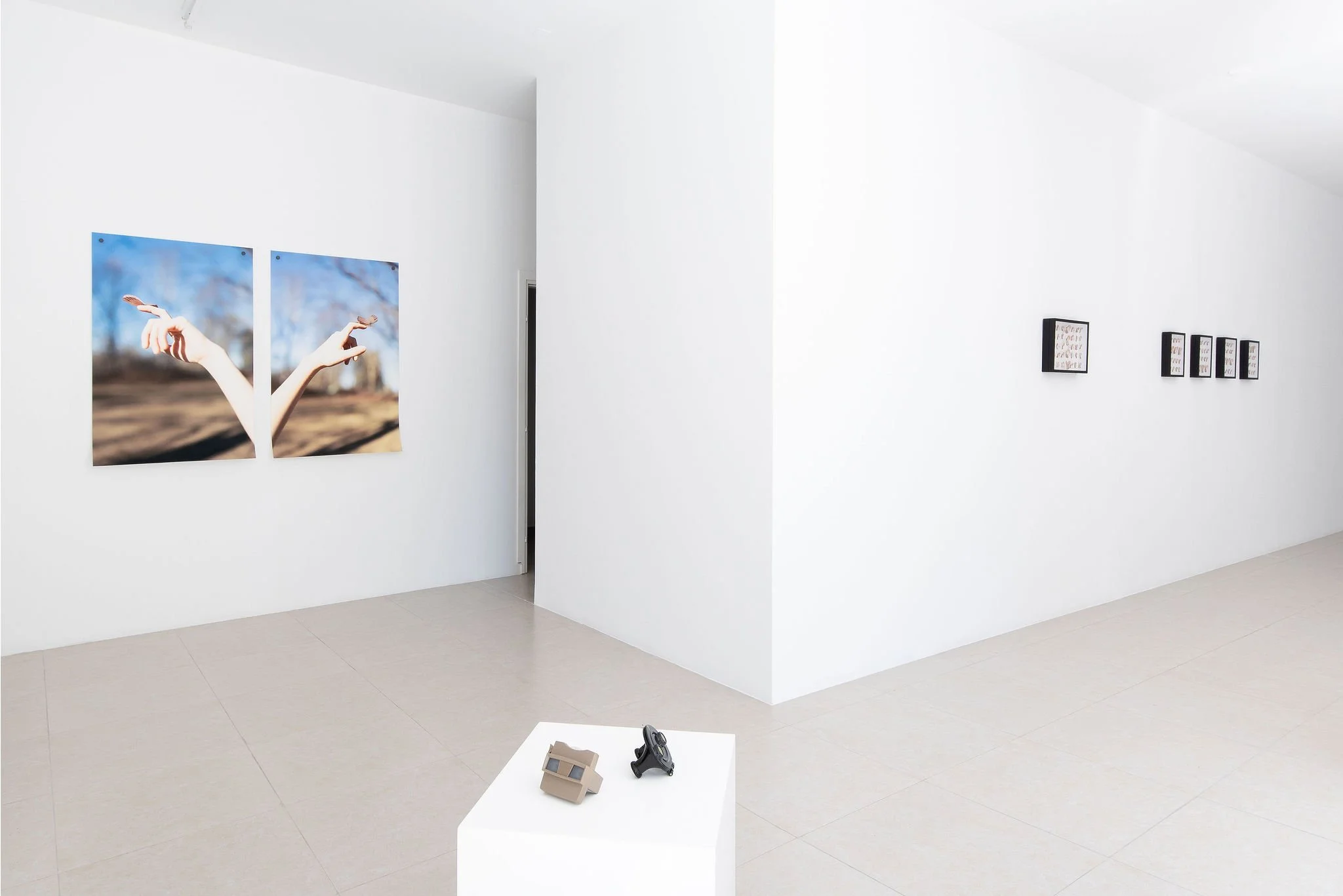
View from Pylon Art & Culture Exhibition, photo by Mirka Koutsouri
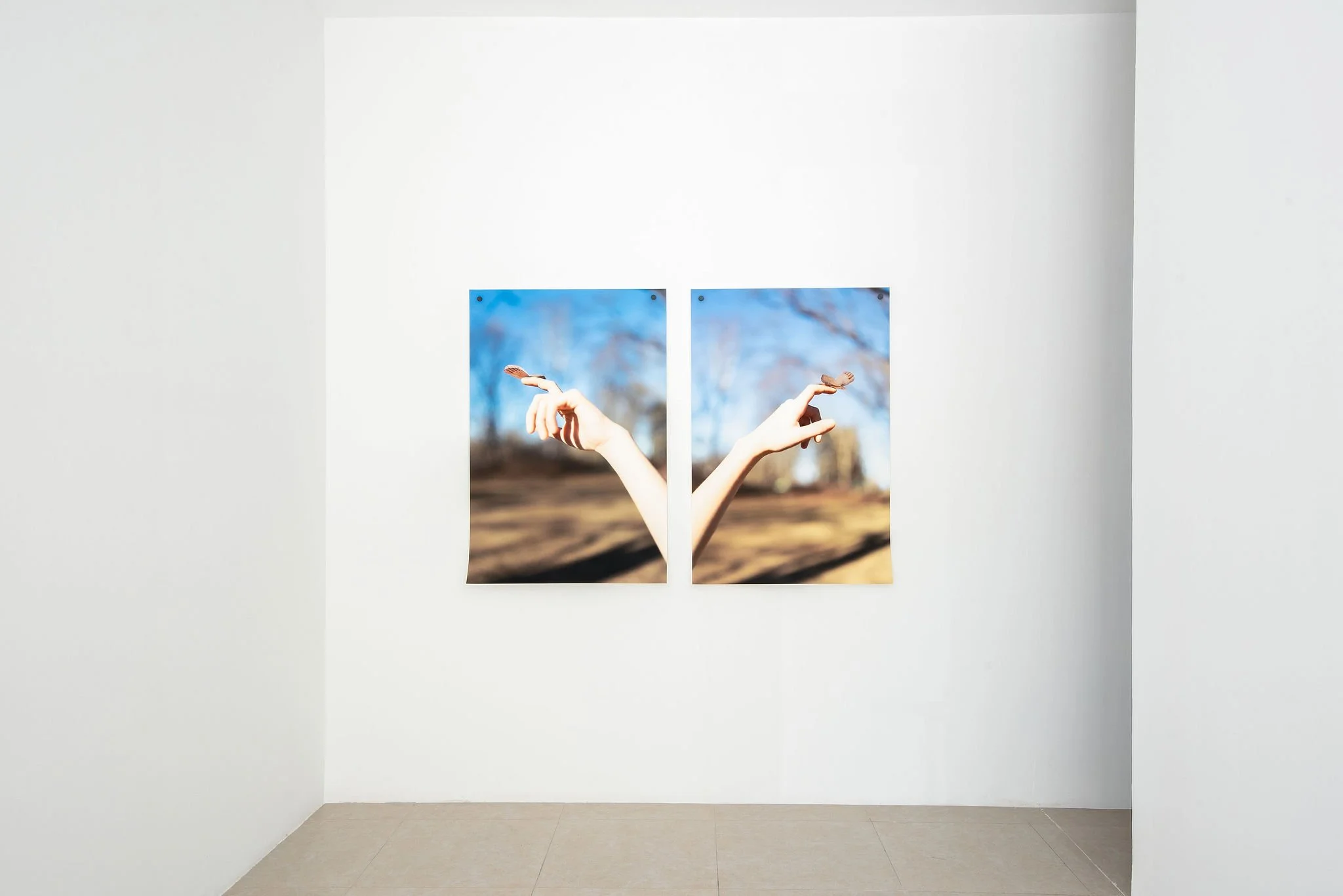
“Specimen in Nature #1” and “Specimen in Nature #2”, photographs, 80x120cm each, 2026, Theopisti Stylianou-Lambert. View from Pylon Art & Culture Exhibition, photo by Mirka Koutsouri
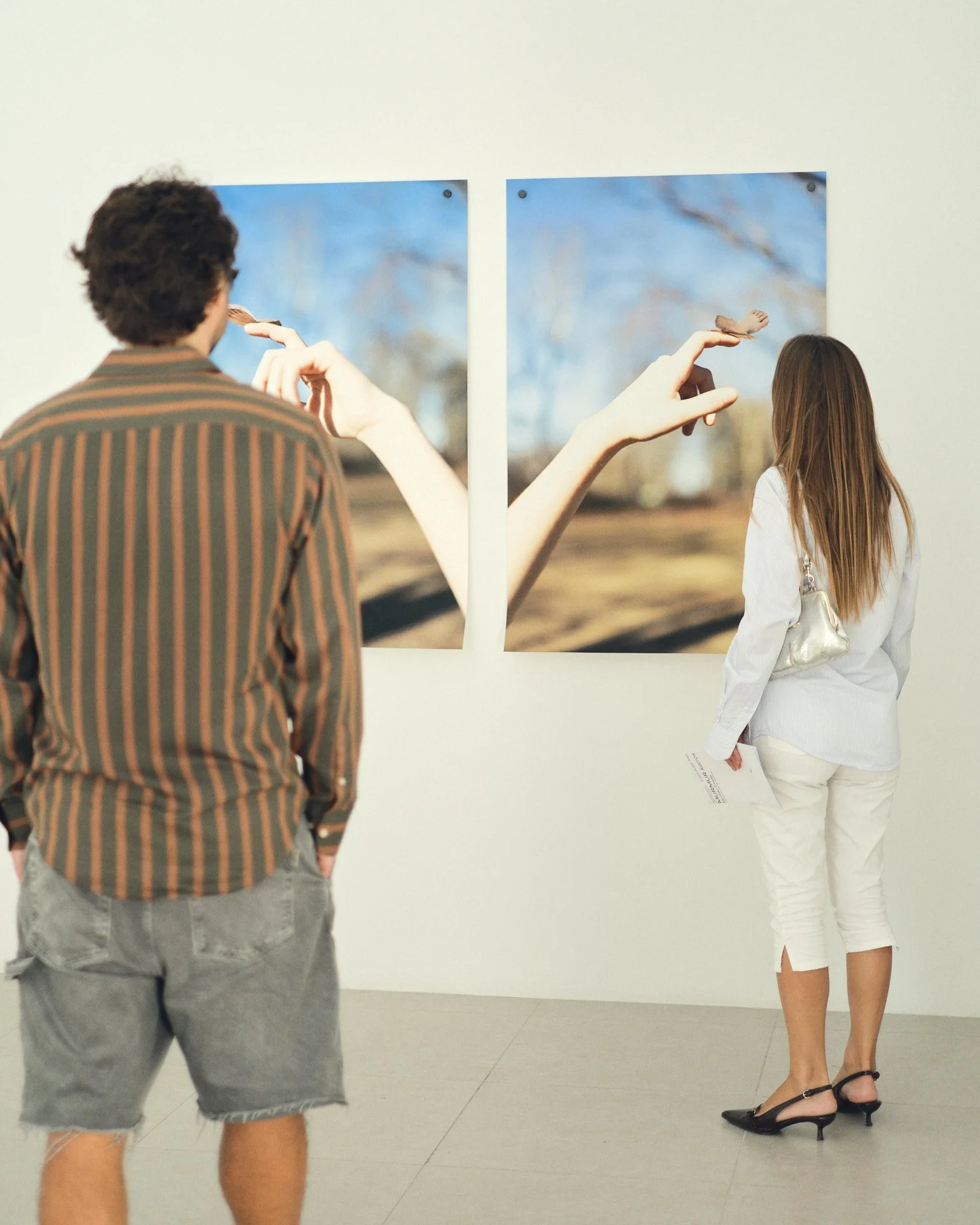
View from Pylon Art & Culture Exhibition, photo by Daria Makurina/Limassol Art Walks
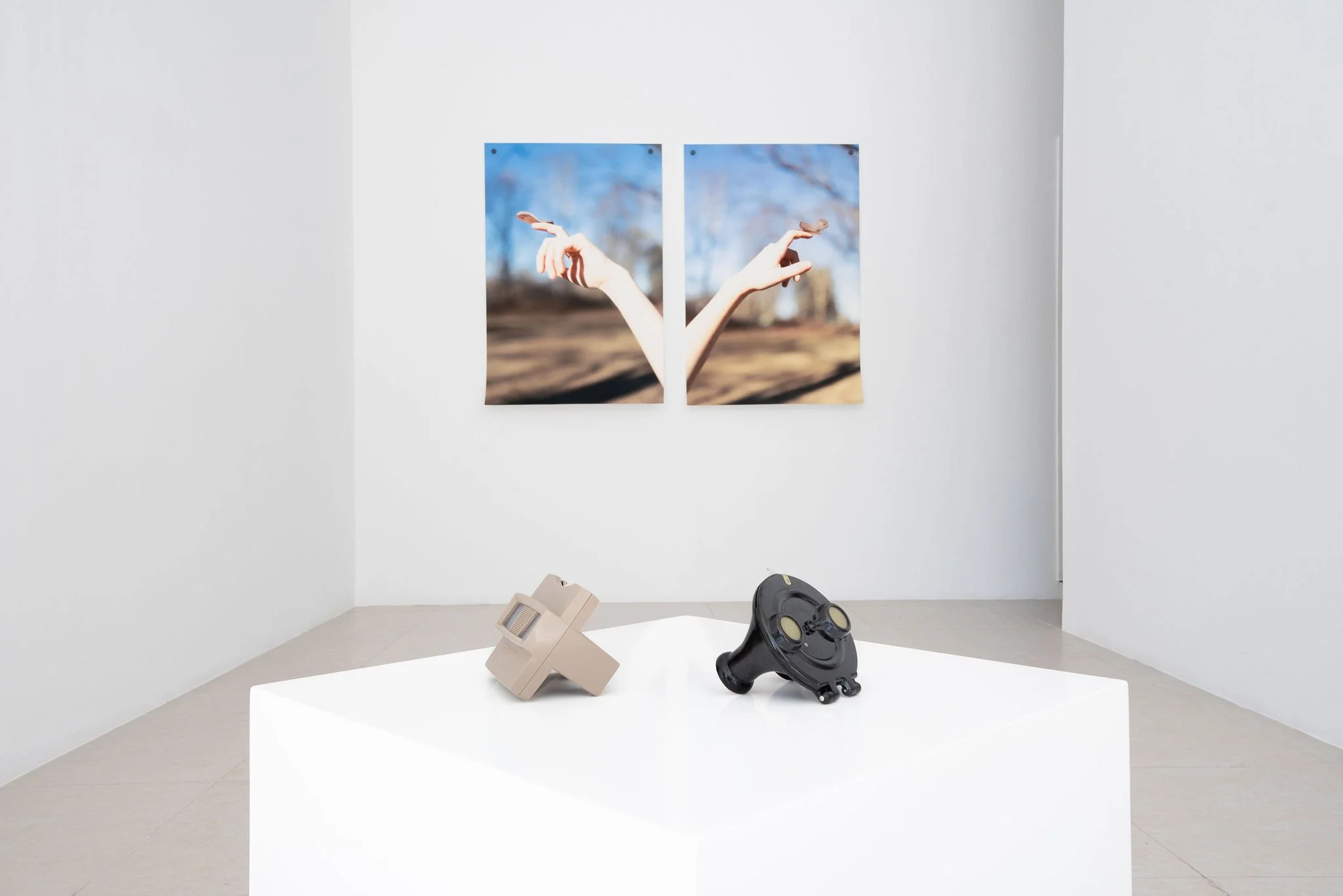
View from Pylon Art & Culture Exhibition, photo by Mirka Koutsouri
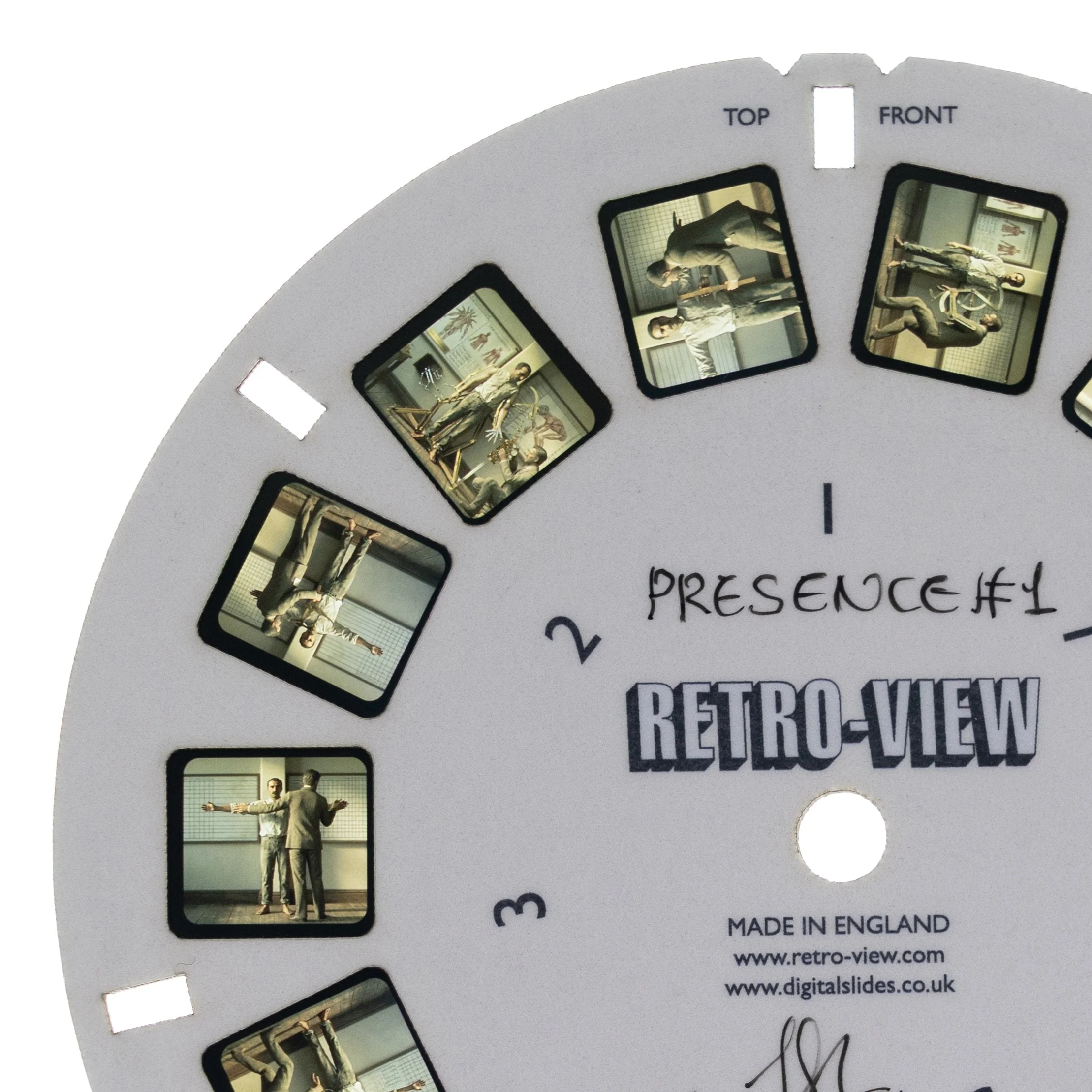
“Presence #1”, View-Master with colour reel, 2026, Theopisti Stylianou-Lambert
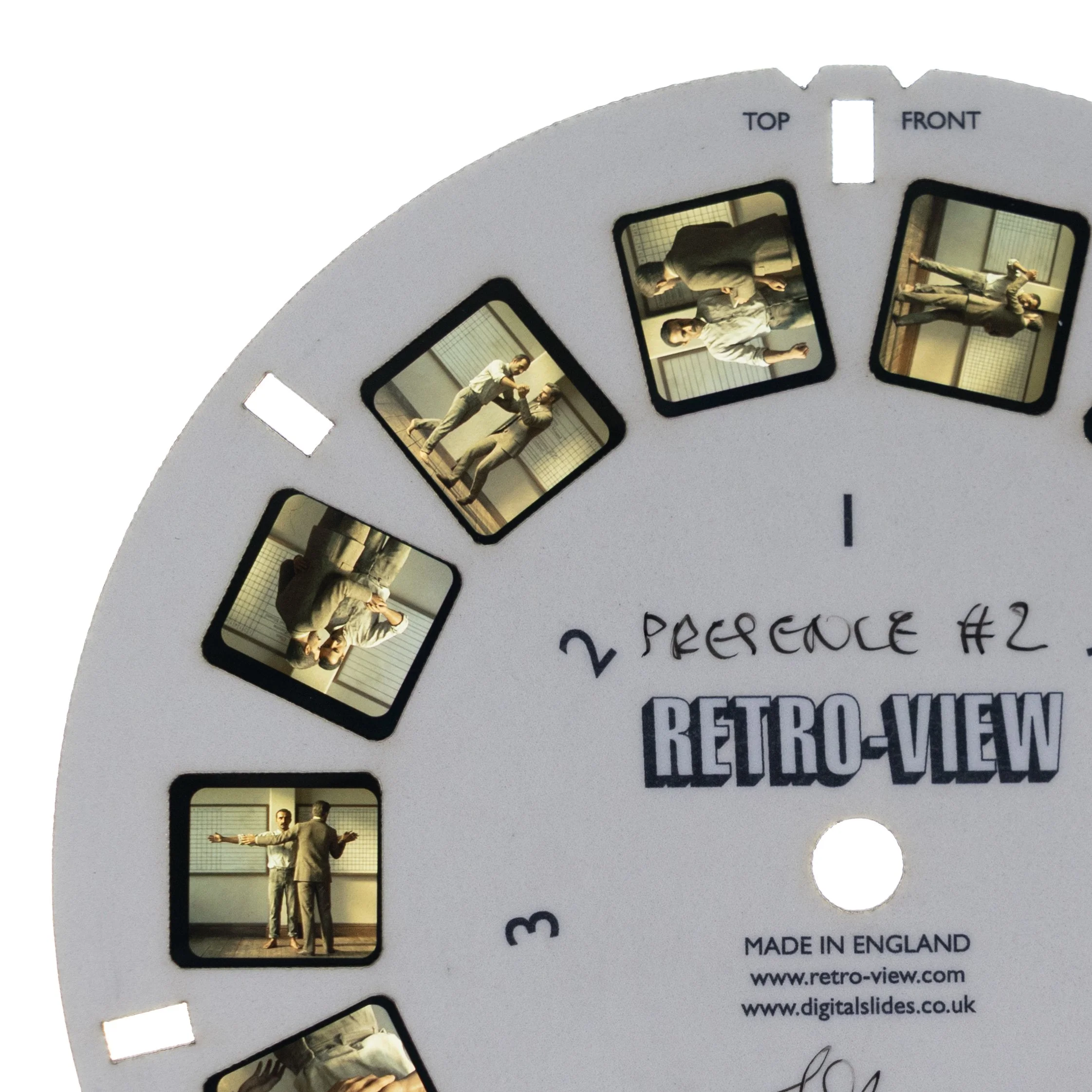
“Presence #2”, View-Master with colour reel, 2026, Theopisti Stylianou-Lambert
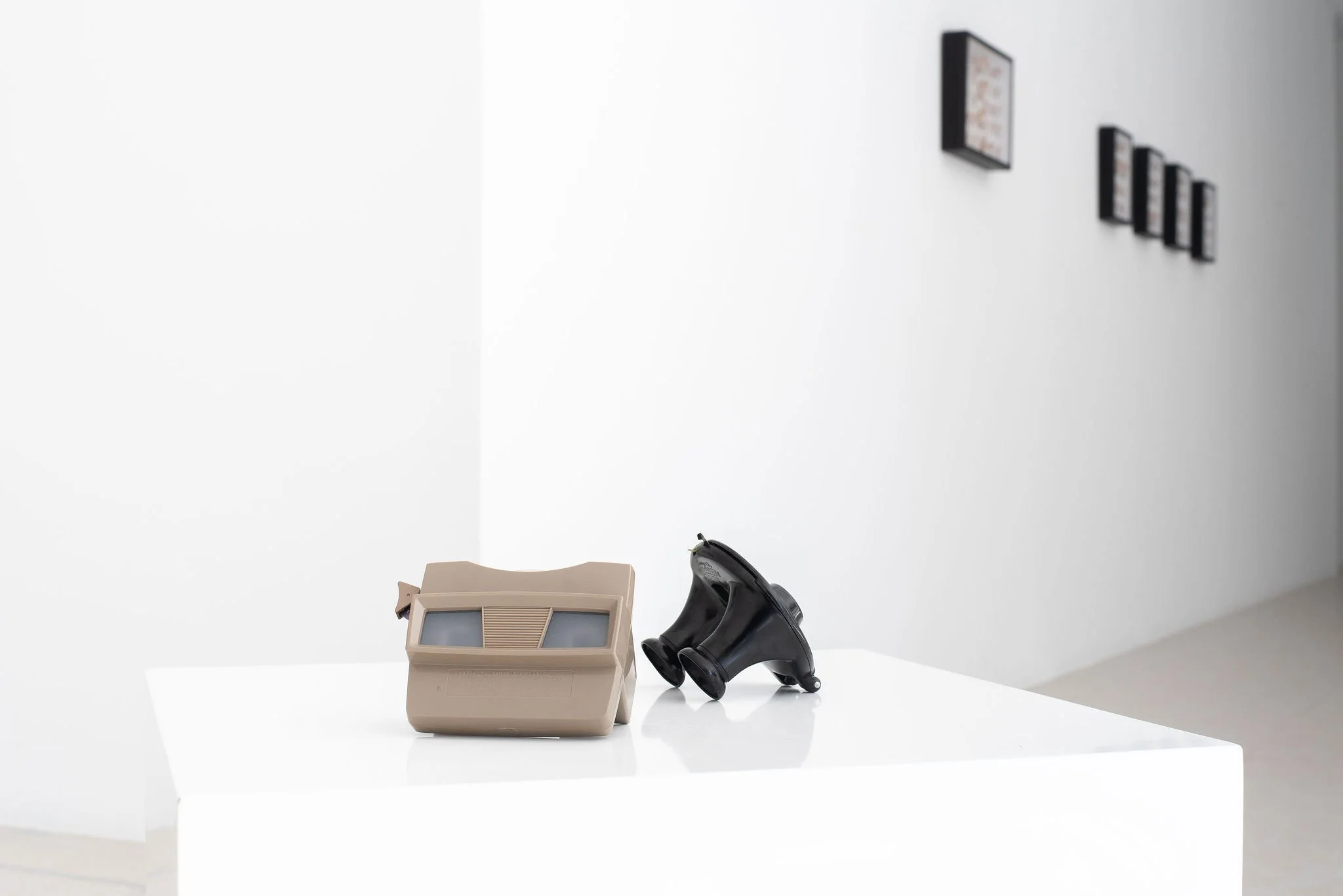
View from Pylon Art & Culture Exhibition, photo by Mirka Koutsouri
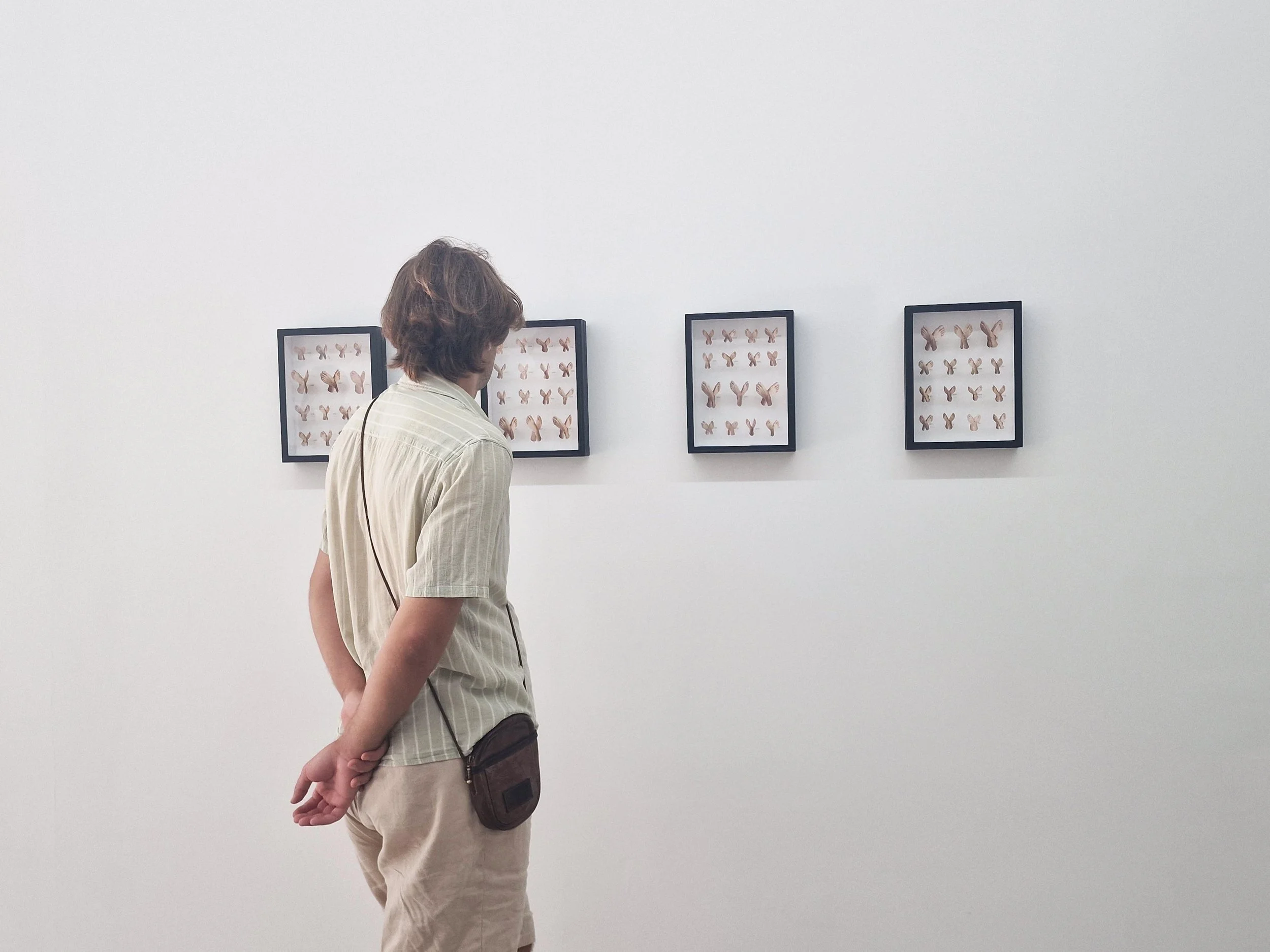
View from Pylon Art & Culture Exhibition, photo by Theopisti Stylianou-Lambert
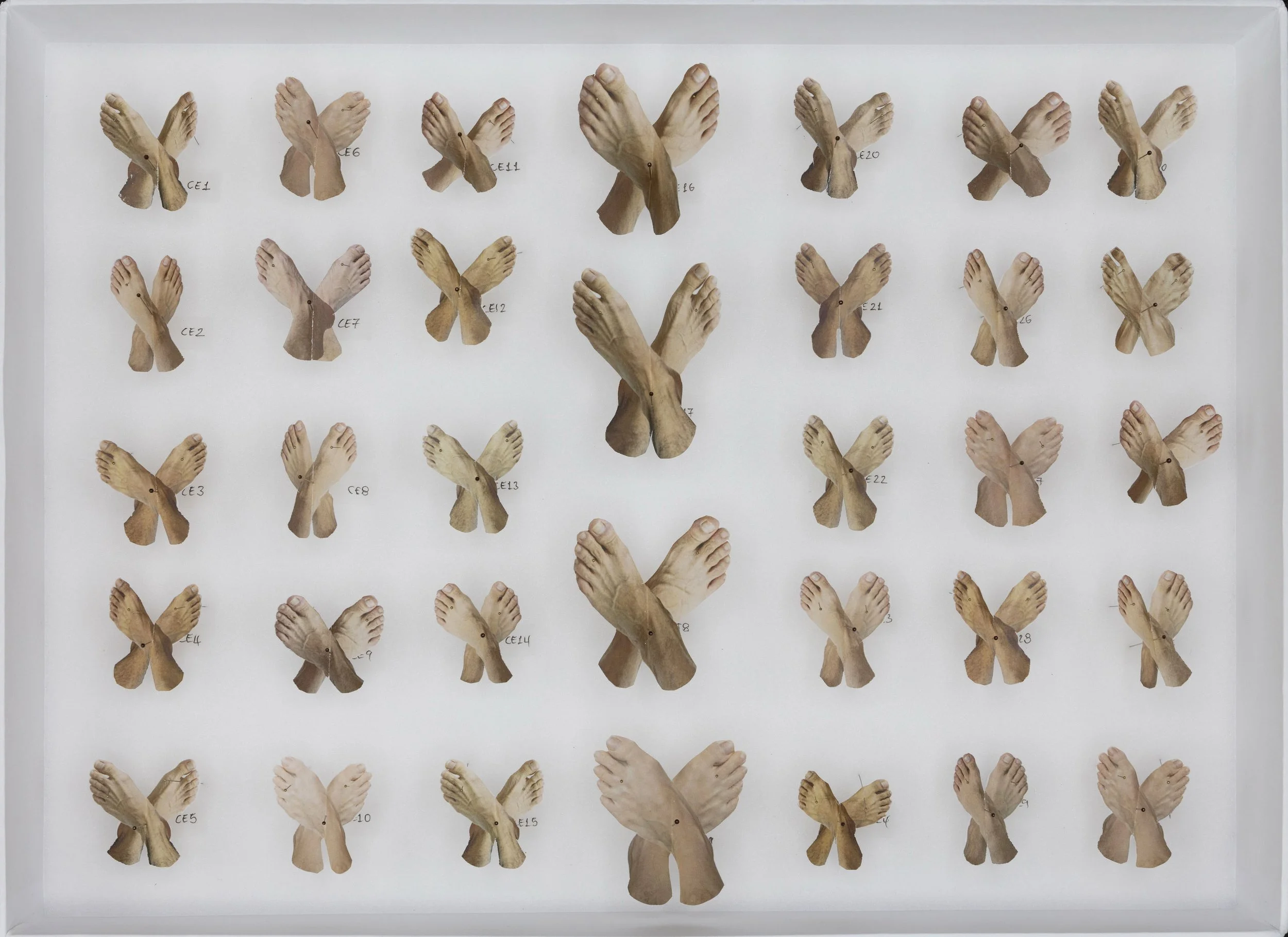
“Specimen Display #1 (01-34)”, tracing paper in specimen box, 40x30cm, 2026, Theopisti Stylianou-Lambert
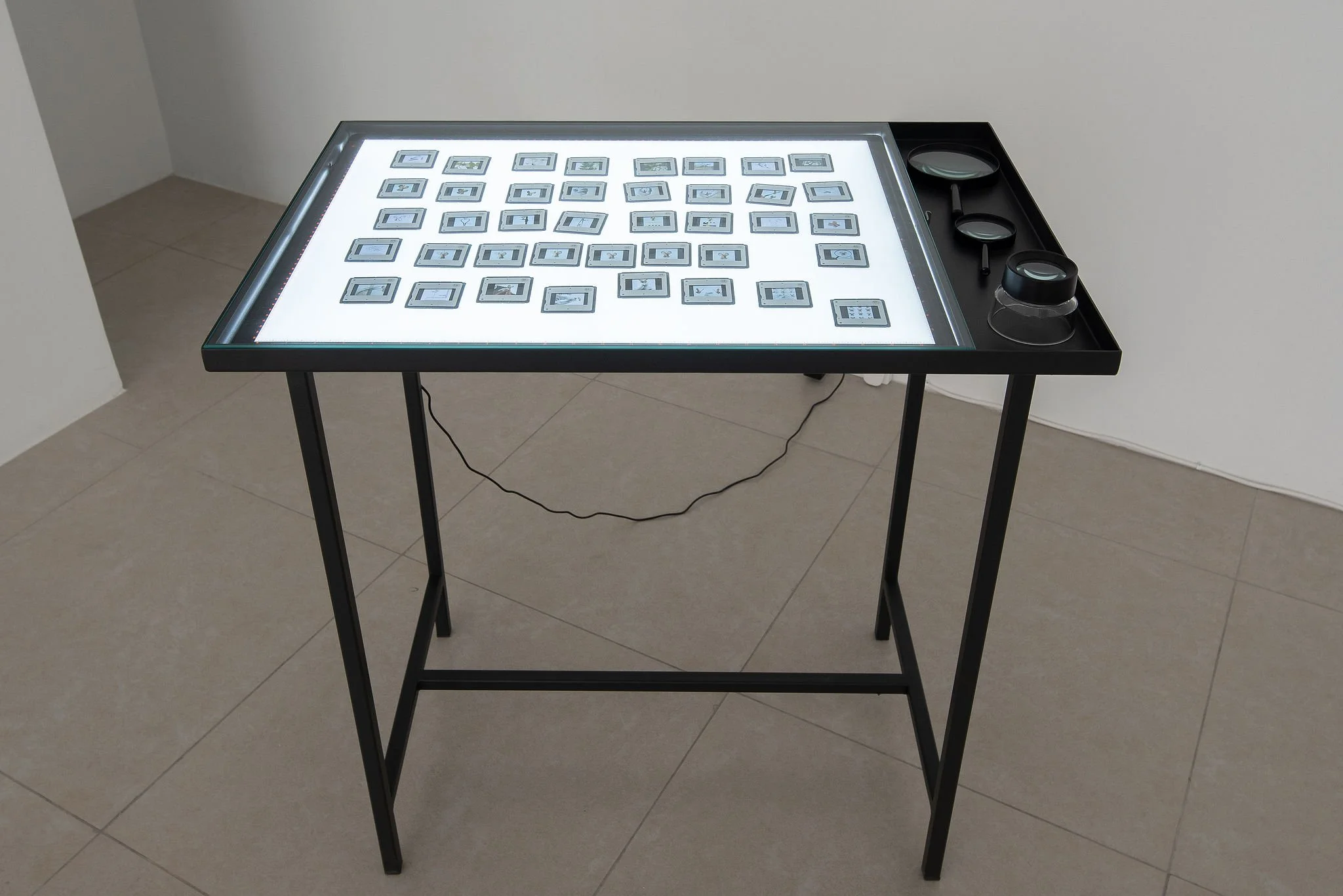
View from Pylon Art & Culture Exhibition, photo by Mirka Koutsouri
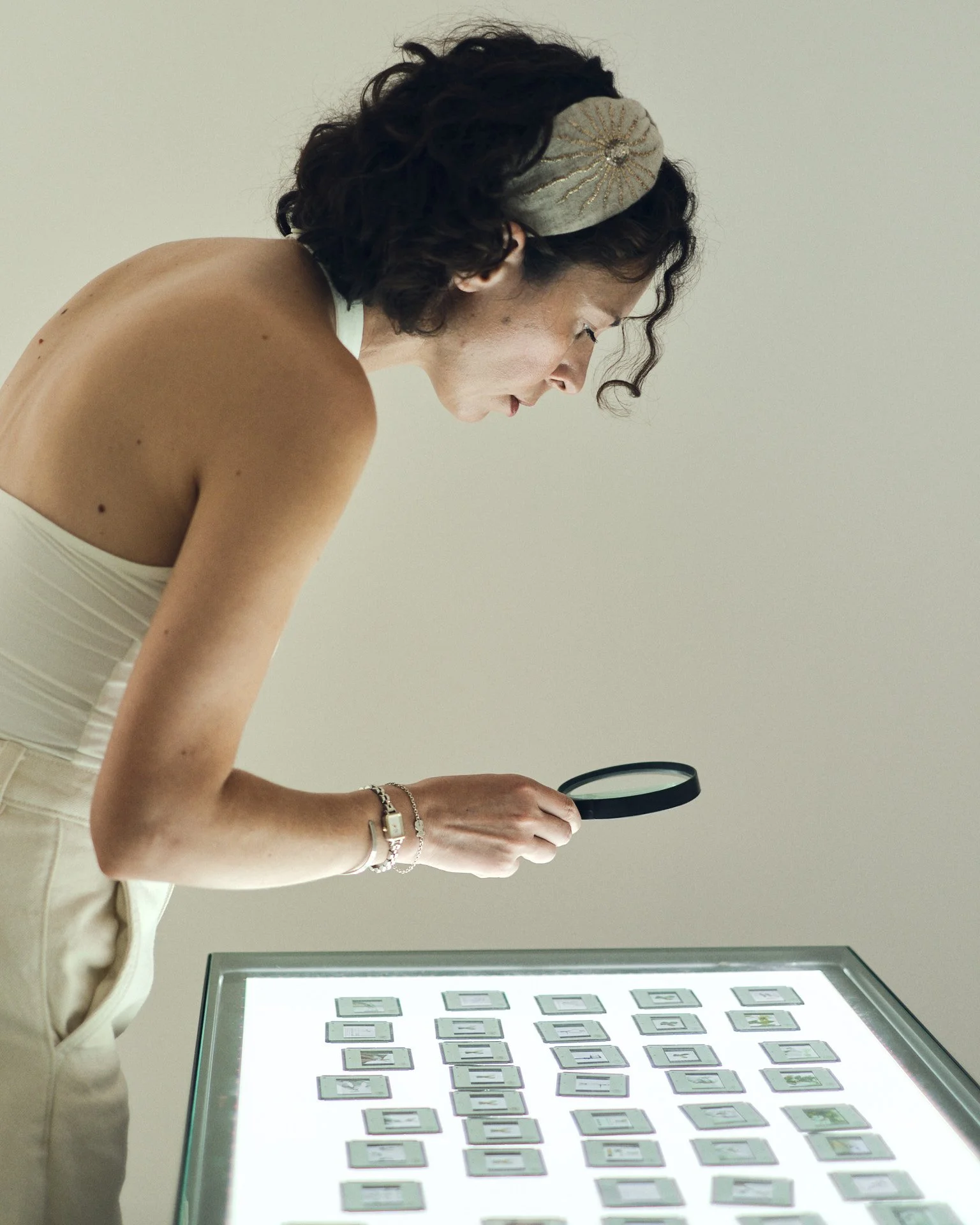
View from Pylon Art & Culture Exhibition, photo by Daria Makurina/Limassol Art Walks
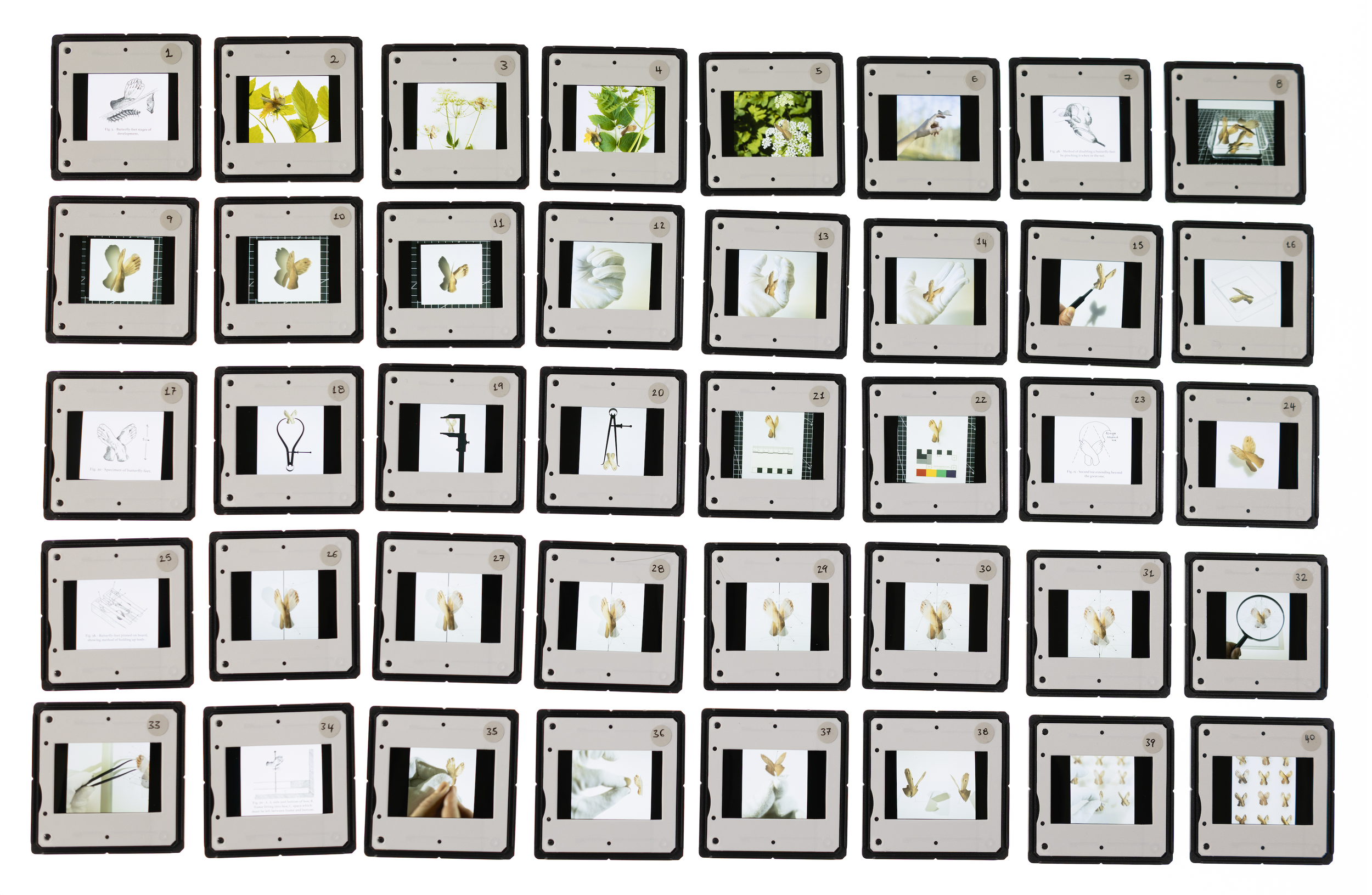
“Specimen Creation”, forty 35mm colour slides in light table, 2026, Theopisti Stylianou-Lambert
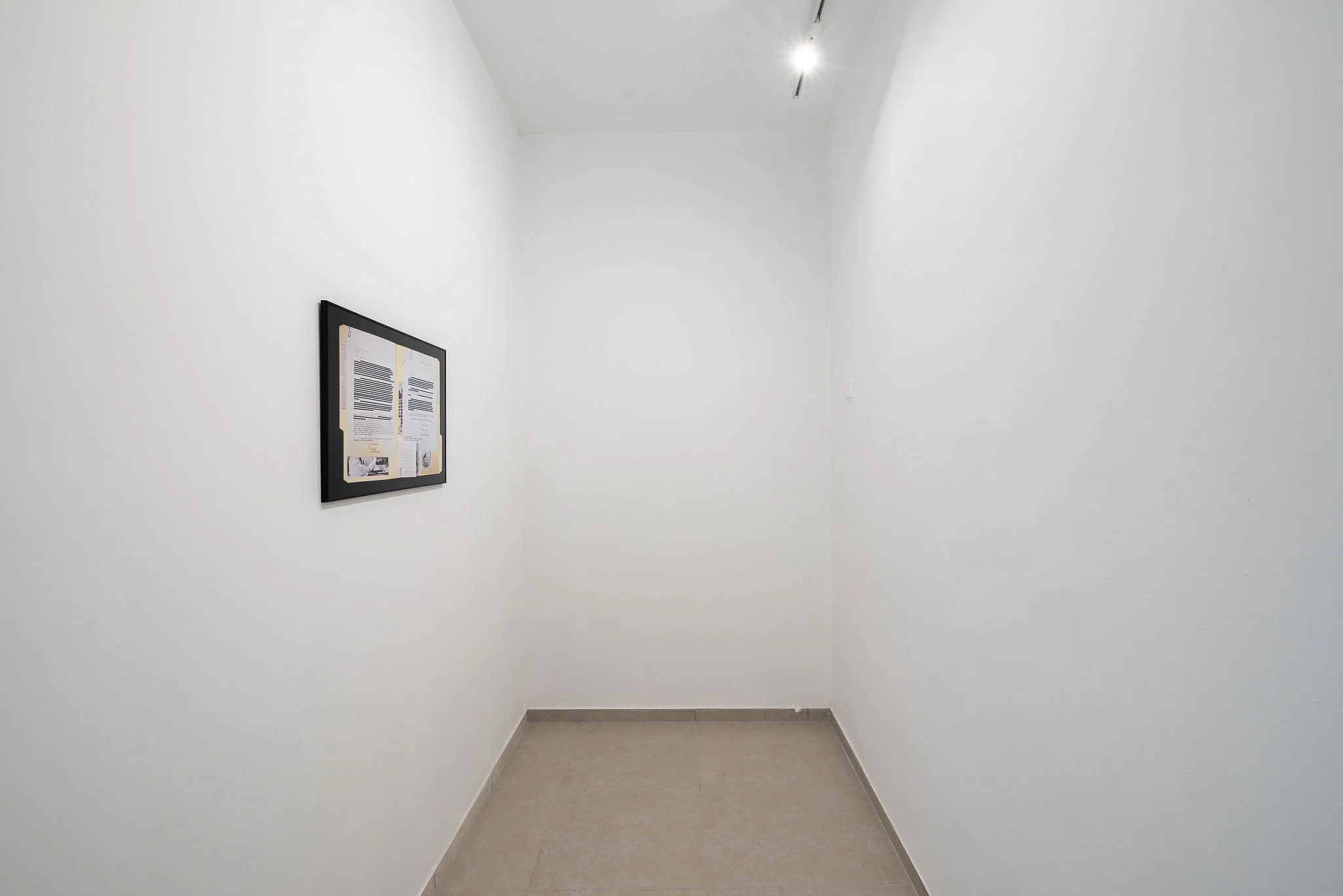
View from Pylon Art & Culture Exhibition, photo by Mirka Koutsouri
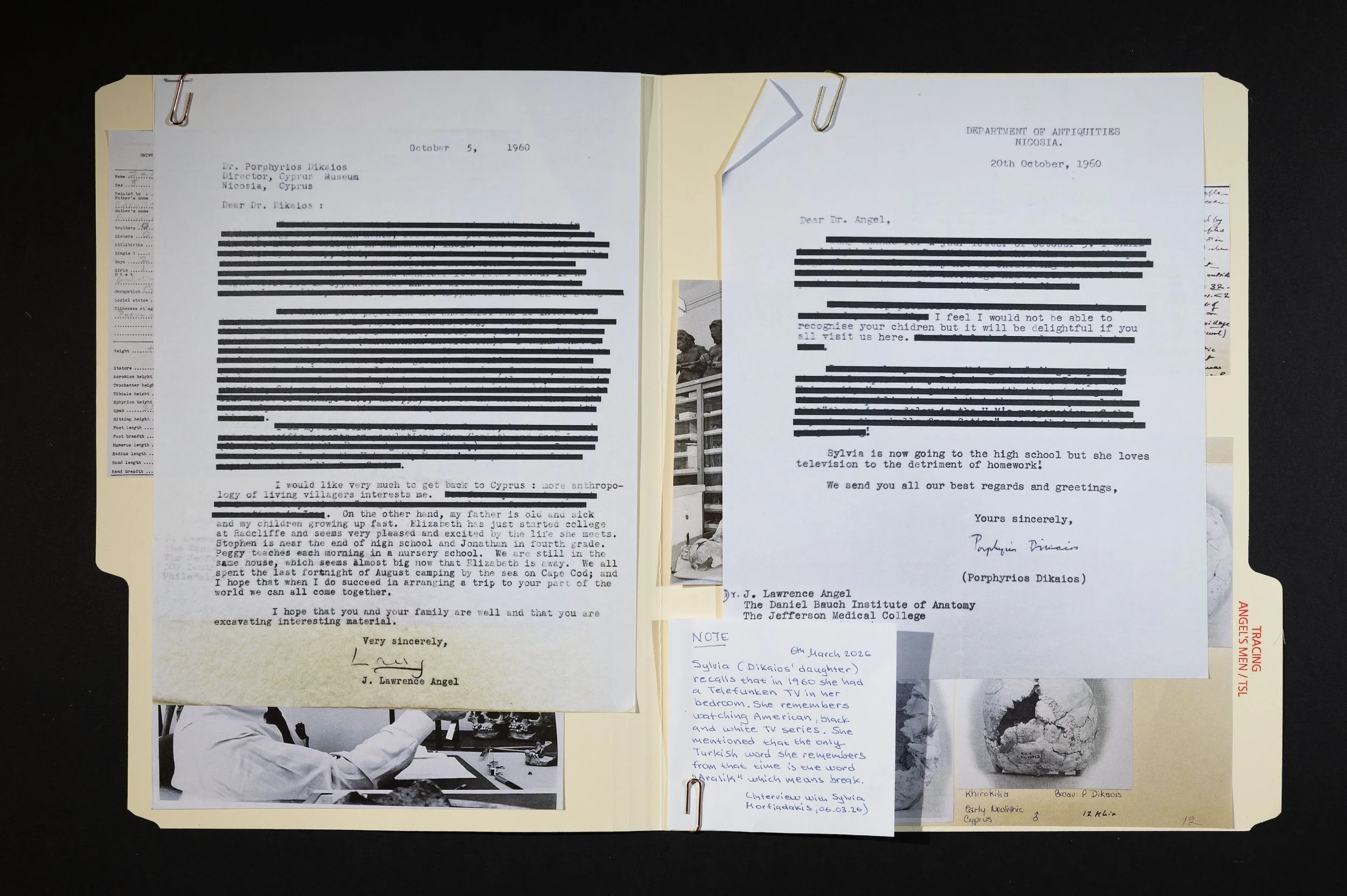
“Side Stories (the TV was playing and the waves were breaking)”, photograph, 70x47cm, 2026, Theopisti Stylianou-Lambert
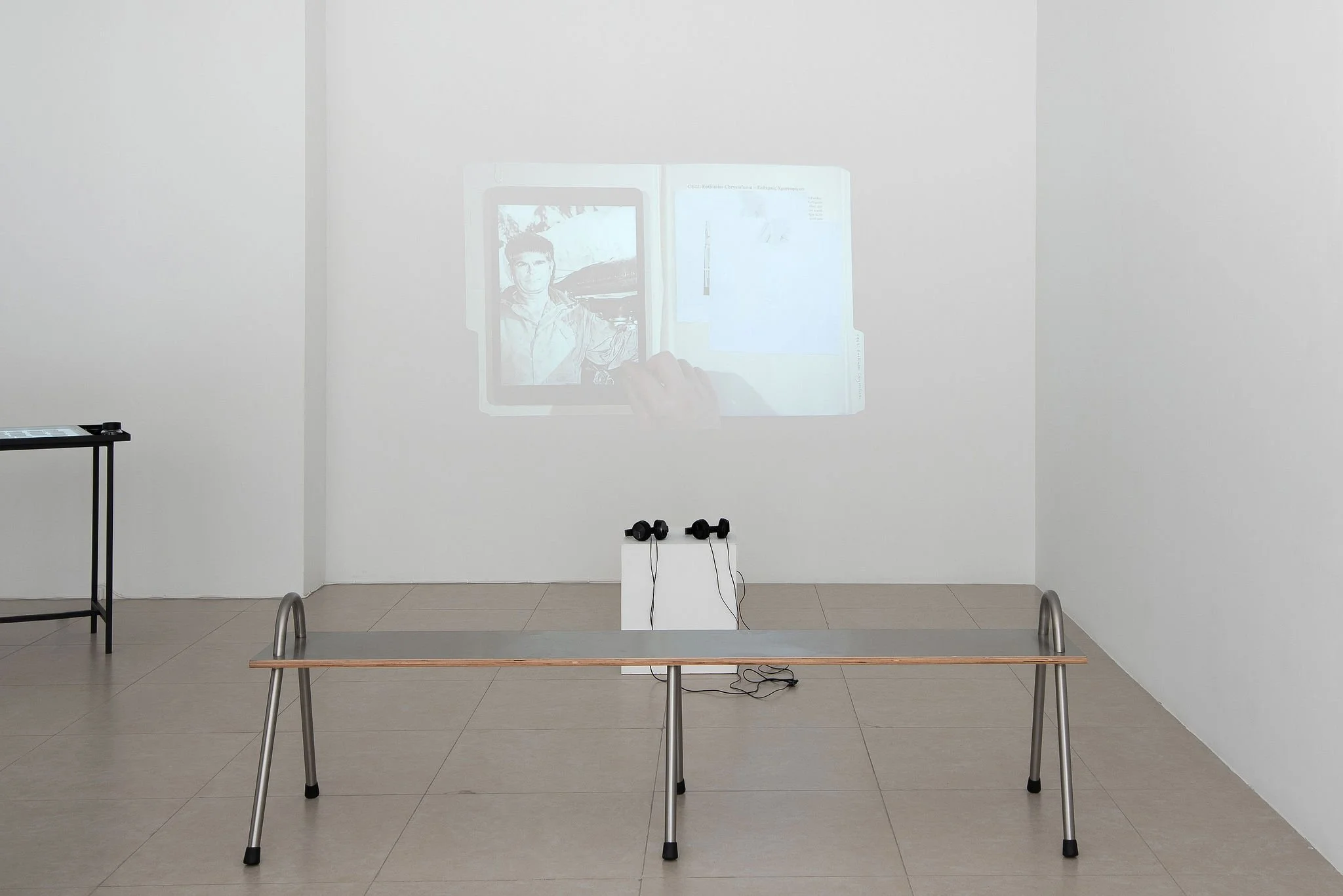
View from Pylon Art & Culture Exhibition, photo by Mirka Koutsouri
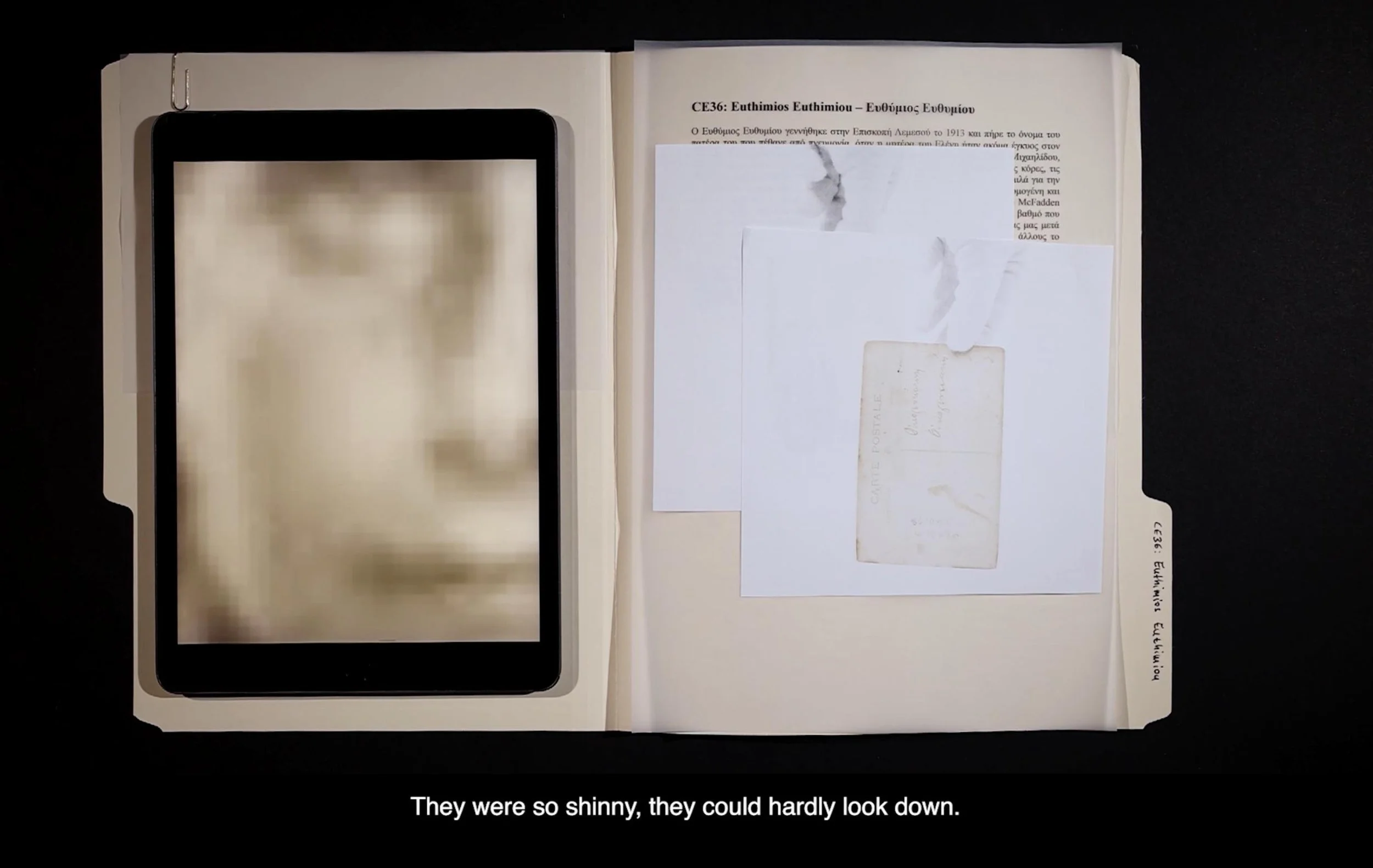
Film Still, “Tracing Angel’s Men: An expanded archive”, video, 44 minutes, 2026, Theopisti Stylianou-Lambert
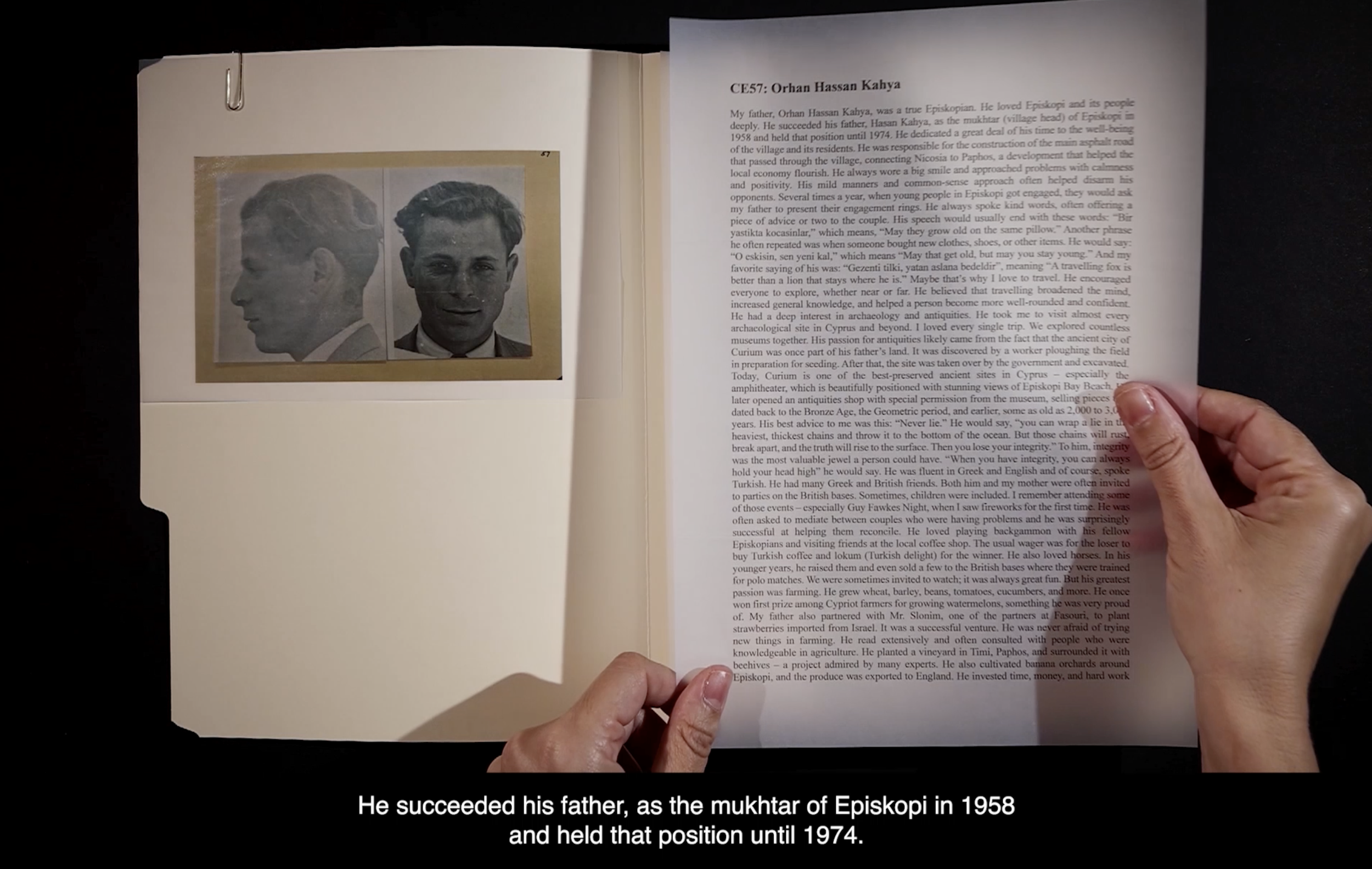
Film Still, “Tracing Angel’s Men: An expanded archive”, video, 44 minutes, 2026, Theopisti Stylianou-Lambert
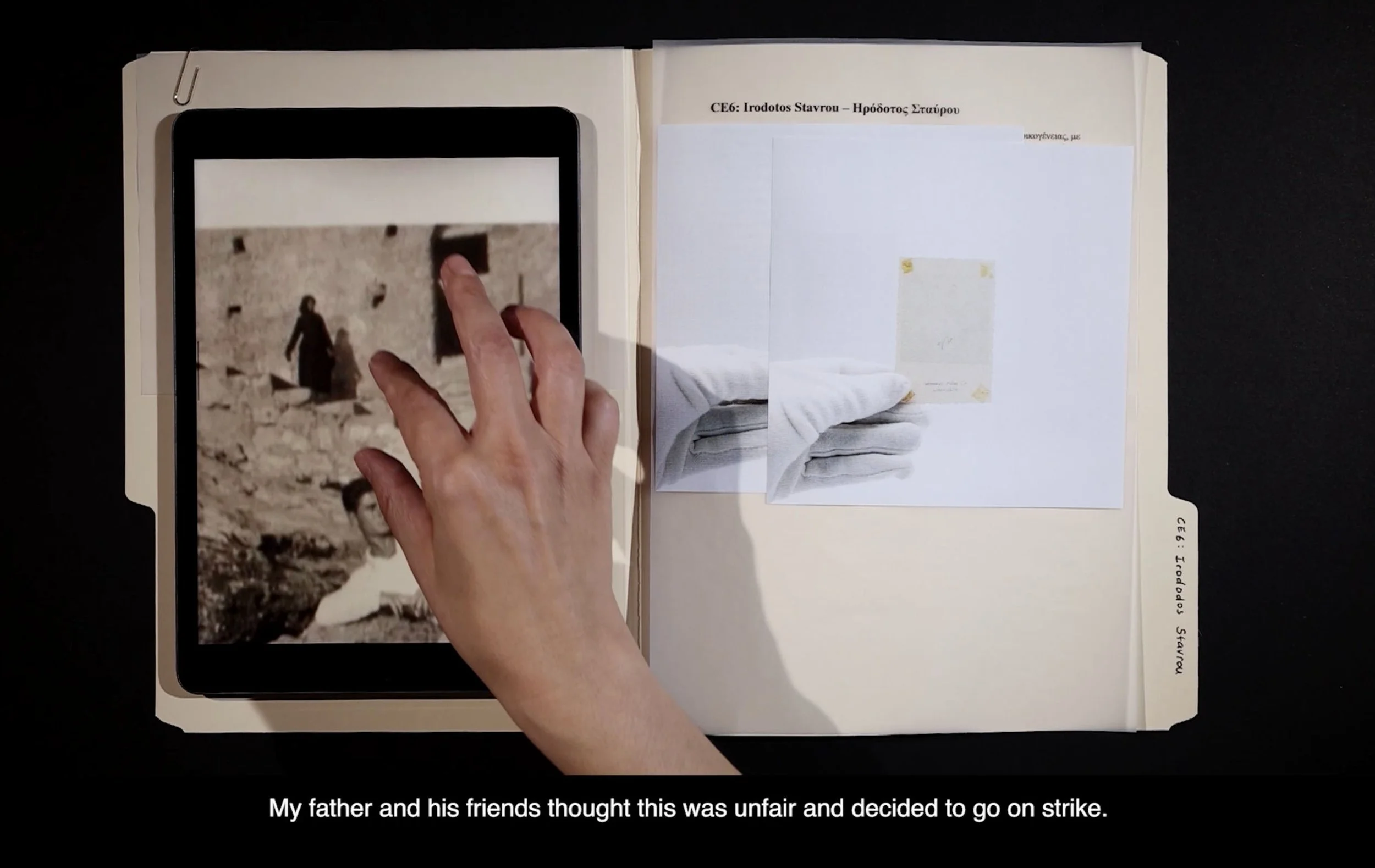
Film Still, “Tracing Angel’s Men: An expanded archive”, video, 44 minutes, 2026, Theopisti Stylianou-Lambert
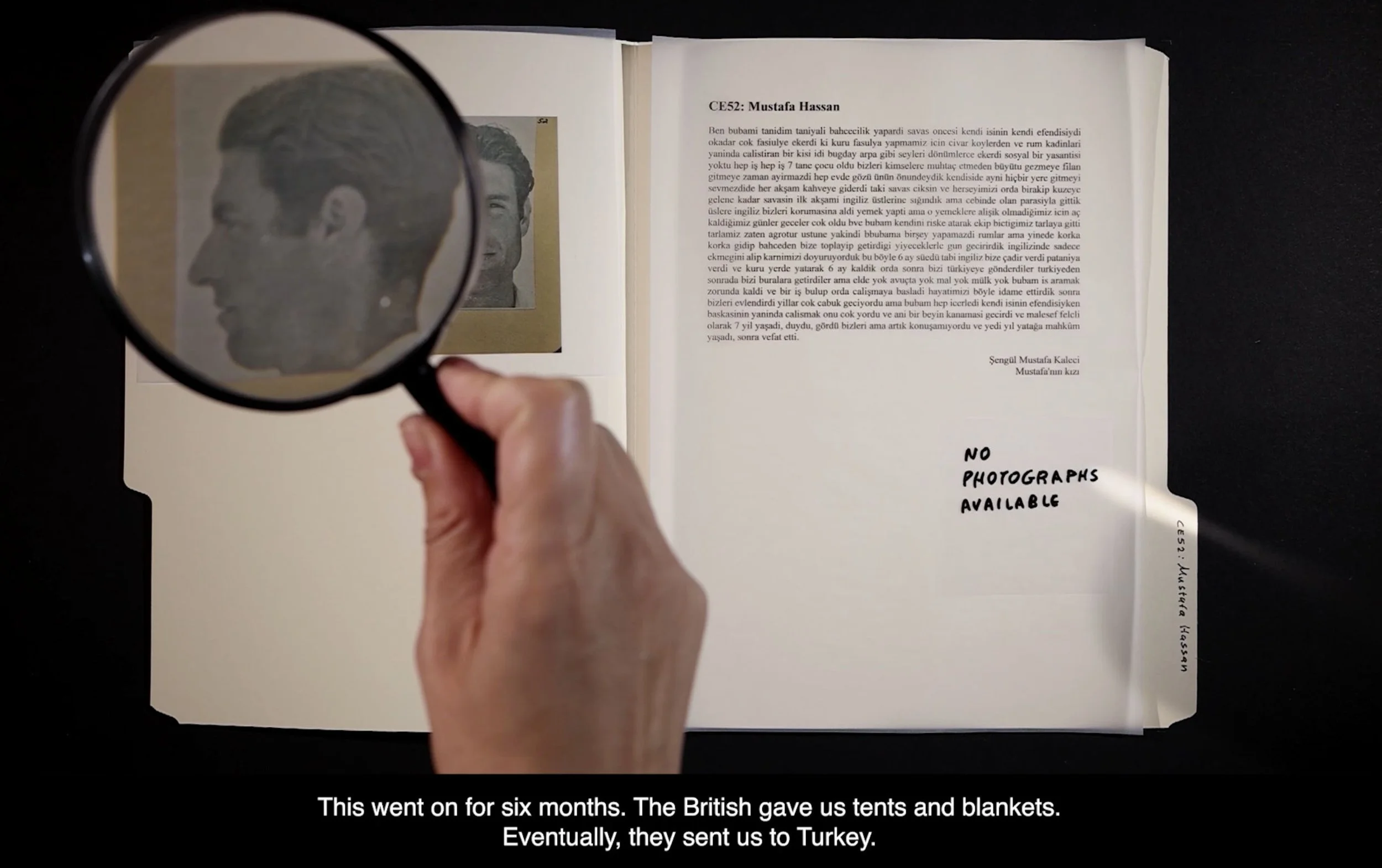
Film Still, “Tracing Angel’s Men: An expanded archive”, video, 44 minutes, 2026, Theopisti Stylianou-Lambert
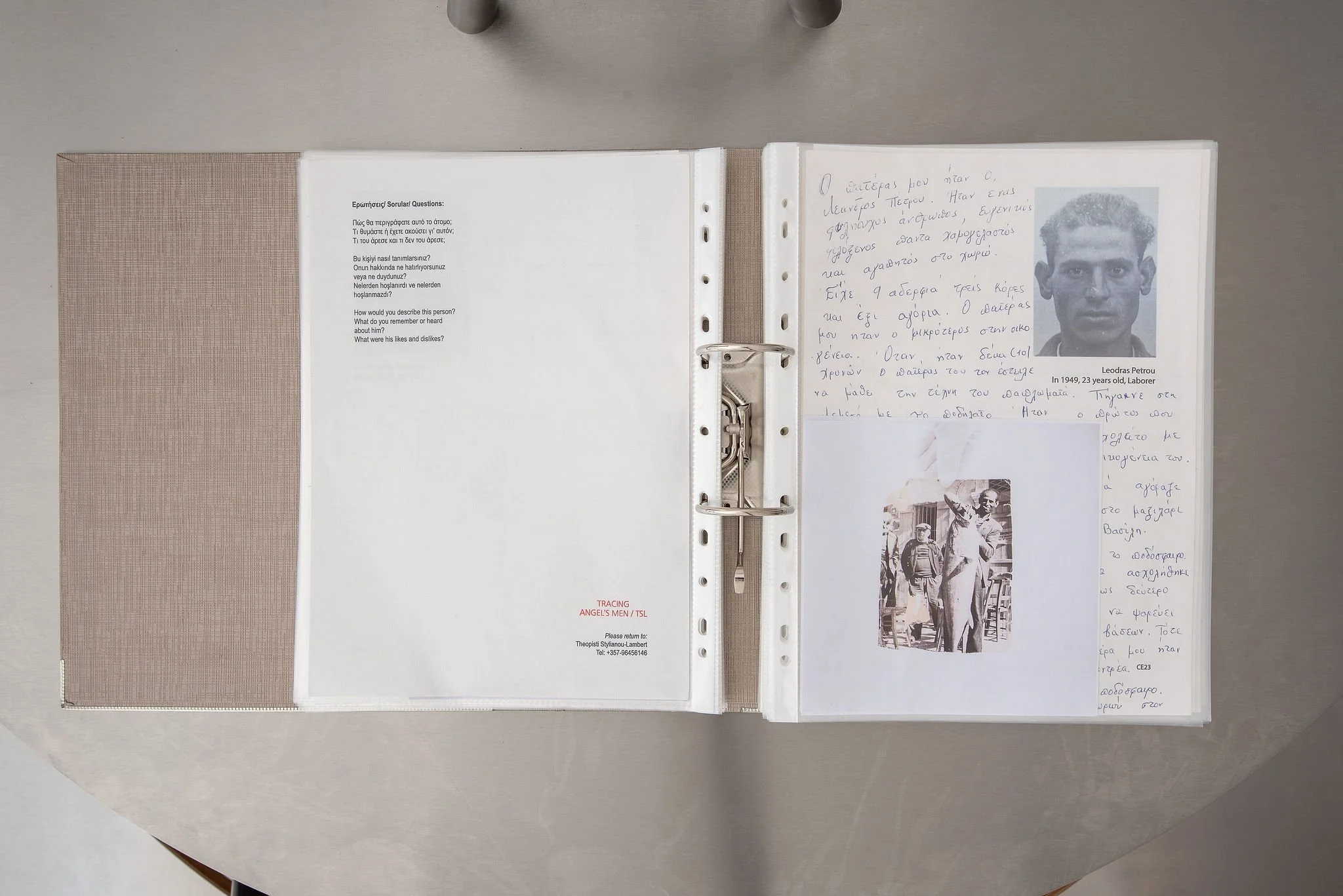
Research file that includes all information collected by the descendants. View from Pylon Art & Culture Exhibition, photo by Mirka Koutsouri
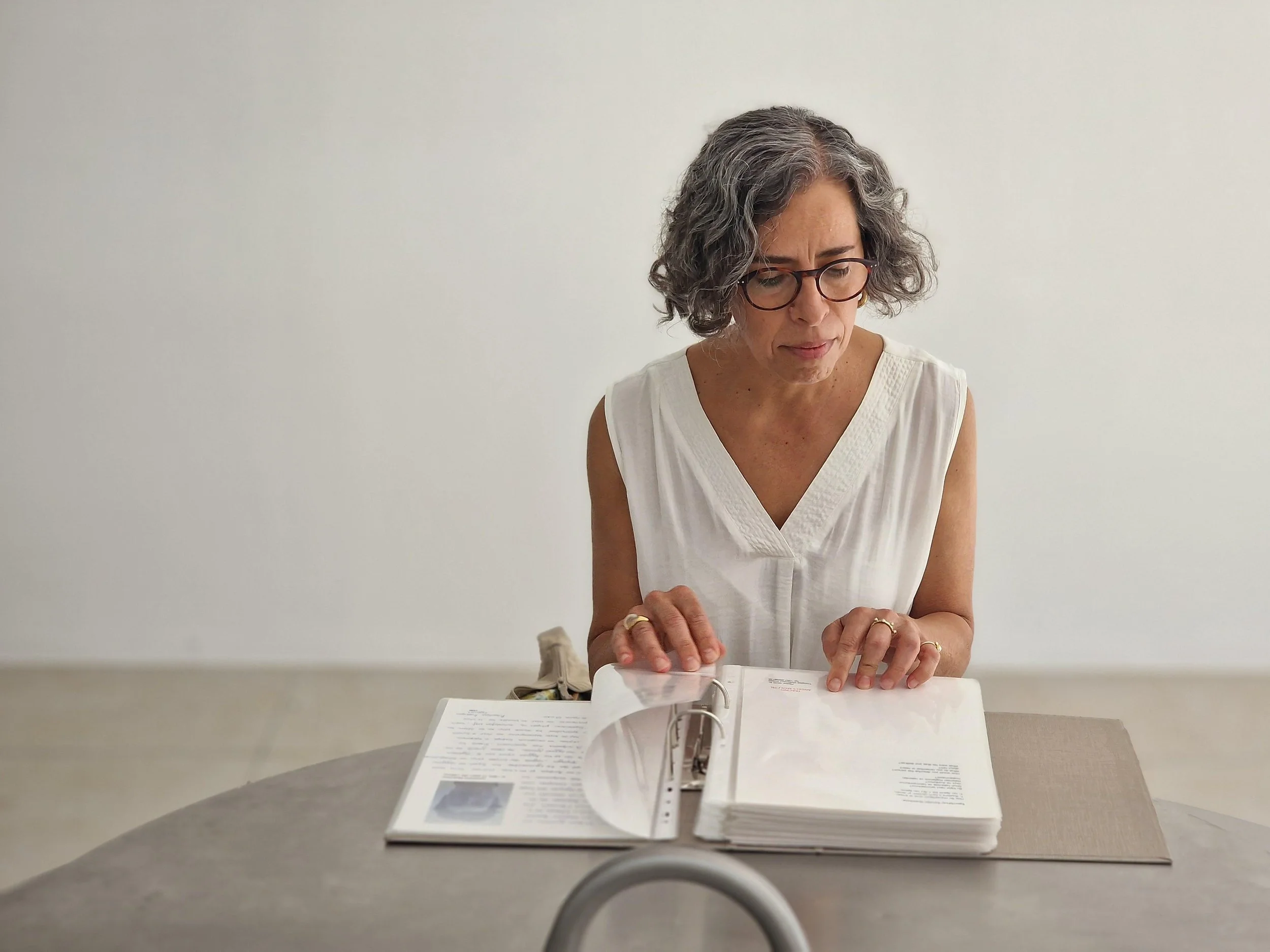
View from Pylon Art & Culture Exhibition, photo by Theopisti Stylianou-Lambert
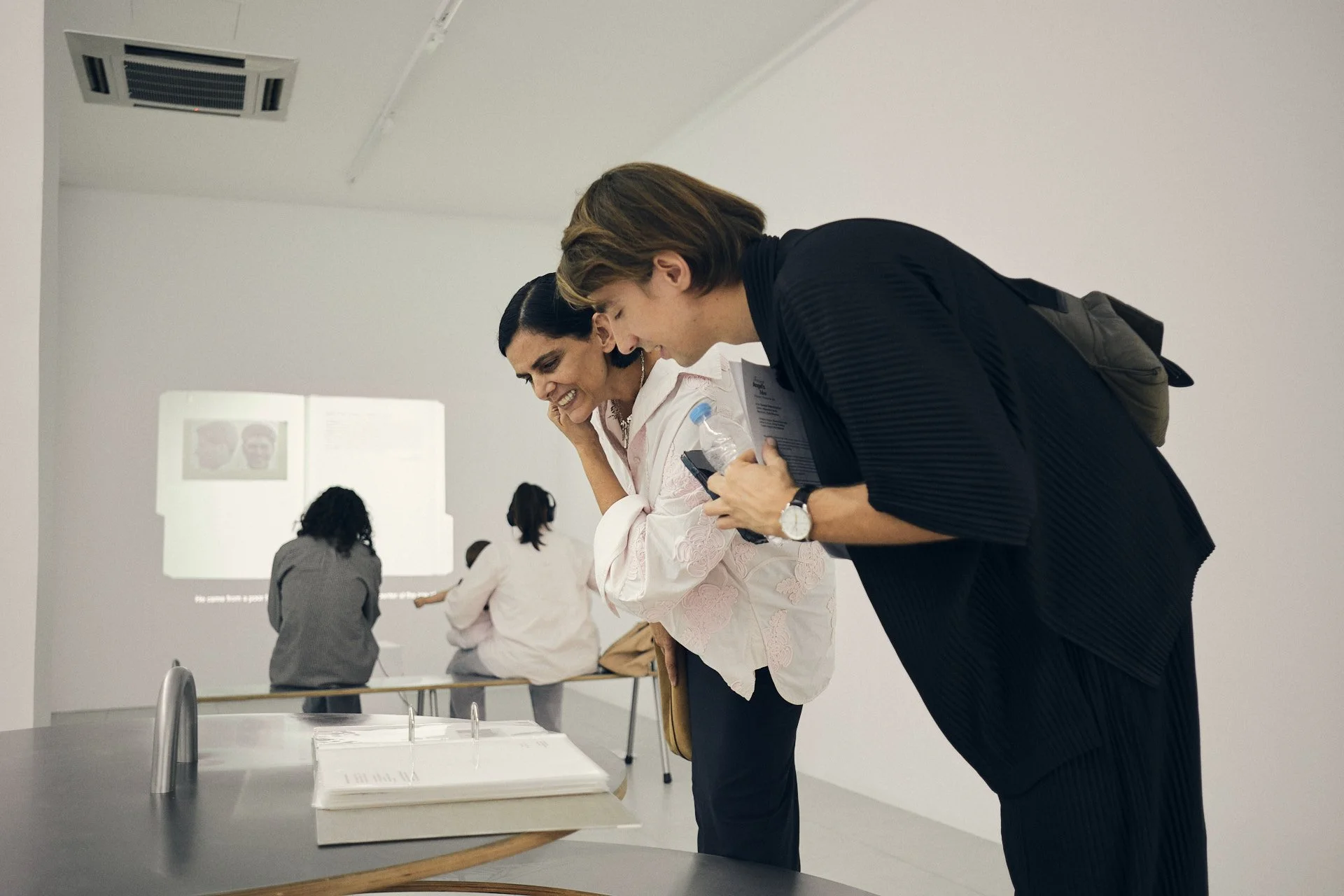
View from Pylon Art & Culture Exhibition, photo by Daria Makurina/Limassol Art Walks
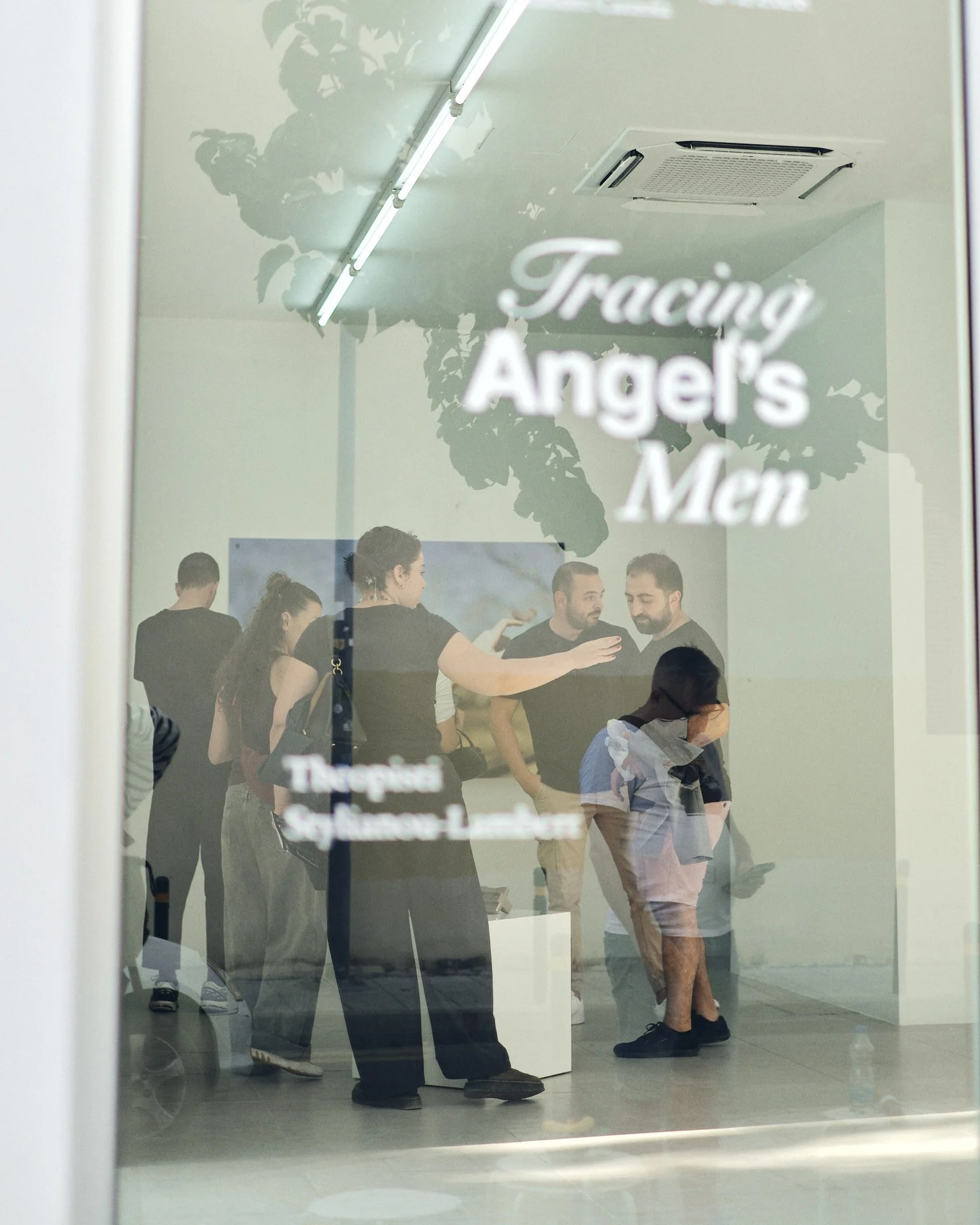
View from Pylon Art & Culture Exhibition, photo by Daria Makurina/Limassol Art Walks
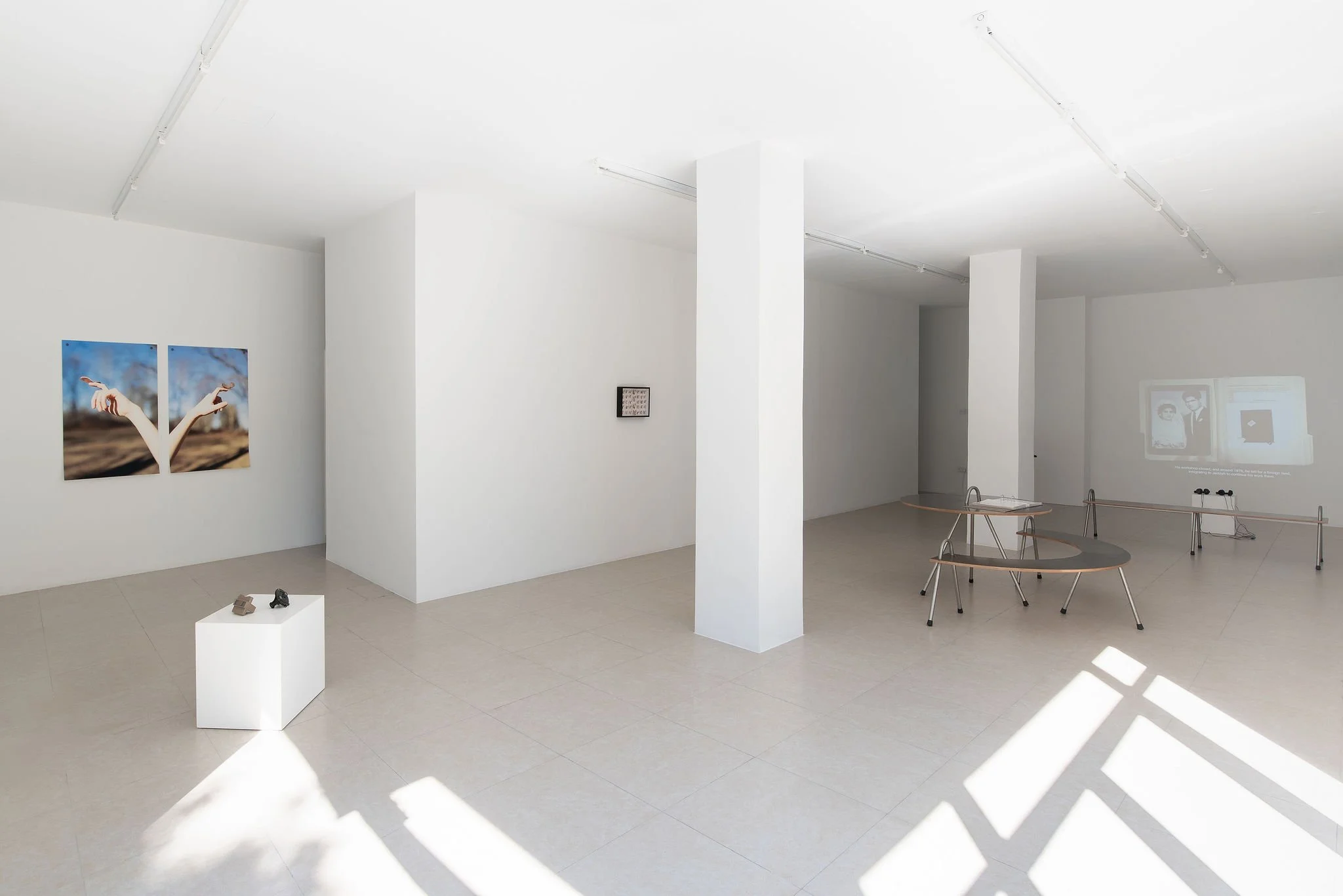
View from Pylon Art & Culture Exhibition, photo by Mirka Koutsouri
Tracing Angel’s Men
Exhibition at Pylon Art & Culture, Limassol Cyprus
October - December 2026
Artist: Theopisti Stylianou-Lambert
Curator: Alessandro Cazzola
Researcher: Thalia Efthymiou
Exhibition designer: Eleonora Antoniadou
Metal structures: Errikos Pantelides
Graphic designer: Nour Moustafa
The exhibition Tracing Angel’s Men presents the latest artistic research by Theopisti Stylianou-Lambert, situated within Alessandro Cazzola’s wider curatorial project An Archaeological Museum at the Threshold, which addresses the transitional moment of the Cyprus Museum in Nicosia as it prepares to move to a new building.
Stylianou-Lambert’s investigation is deeply engaged with archaeology and the histories it produces. The project highlights the international network that shaped the field in Cyprus, bringing into focus the legacy of Porfyrios Dikaios, one of the most prominent figures in the history of Cypriot archaeology, whose work involved extensive collaboration with experts from abroad. Tracing Angel’s Men reflects on continuity and memory transmission through the convergence of archival research and community engagement.
The exhibition foregrounds the human dimensions of archaeological and anthropological investigation, questioning systems of classification, documentation and archiving by returning attention to everyday life, individual identities and collective histories. Through artistic intervention and AI, Stylianou-Lambert revisits American anthropologist John Lawrence Angel’s fieldwork in Cyprus in 1949, undertaken at Dikaios’s invitation, asking how these records might be reinterpreted, expanded and re-humanised.
Angel resided in the former mixed village of Episkopi, where Greek Cypriots and Turkish Cypriots lived together until 1974. There, alongside his studies of skeletal remains from archaeological excavations, he conducted anthropometric surveys of local residents as part of his research into the island’s population history. Stylianou-Lambert researched Angel’s archive, now held at the Smithsonian Institution in the United States, to trace the genealogy of the men who participated in his research, many of whom were also involved in archaeological work in the area. Fieldwork in Episkopi and occupied villages in the northern part of the island, coordinated by Thalia Efthymiou, helped trace the descendants of those men. Their identities, stories and contributions remain largely absent from official records, revealing how colonial and class-based structures of knowledge have long determined whose lives are remembered and valued.
The artist brings the men’s lives and experiences back into visibility through a playful and participatory approach, inviting visitors to encounter the archive as a space of exchange and reactivation. The exhibition brings together the stories of Episkopi’s villagers as a community through four newly produced and interconnected works. Tracing Angel’s Men: an expanded archive is a video work combining Angel’s original photographs from the Smithsonian Institution with material gathered from the descendants. Through the community engagement process, the descendants were invited to contribute stories and photographs of their family’s everyday life, which the work puts into dialogue with the clinical gaze of anthropological imagery. The accompanying physical file contains the complete collection of photographs and stories, encouraging audiences to browse the archive developed by the artist.
Specimens originates in Angel’s measurements of participants’ second toes, recorded to test the “Greek foot” theory, which associated a particular anatomical configuration - specifically, the second toe longer than the first (the hallux) - with Greek populations. Following the logic of classification, Stylianou-Lambert uses AI to transform the recorded foot measurements into butterflies constrained in specimen boxes. The process of generating, selecting, cutting and pinning the images is revealed on a light table, which visitors can examine with magnifying glasses. Two photographs extend the work, depicting a girl’s hand holding the butterfly-feet.
Presence focuses on the measurement process itself, a largely undocumented aspect of anthropometric studies. Drawing on Alphonse Bertillon’s Identification anthropométrique / instructions signalétiques (1893), the artist reimagines the procedure through AI as a choreographed sequence of images presented in two View-Masters. Side Stories (the TV was playing and the waves were breaking) concludes the exhibition by reworking the correspondence between Dikaios and Angel, retaining its most personal exchanges.
The project ultimately turns toward what lies beyond the archive: fragments, silences and the intimate dimensions of human experience. Like archaeology, archival knowledge is necessarily partial. Stylianou-Lambert embraces this incompleteness as a point of departure, using participatory and playful approaches to reconnect people, family memories and social relations obscured within the historical record. The butterfly becomes a metaphor for this process of liberation: carrying stories beyond fixed categories and institutional boundaries, evoking the archive as a living territory through which memory, knowledge and experience can circulate across generations.
Alessandro Cazzola
Special thanks to the descendants of 57 men who participated in the project. Also, many thanks to Sylvia Morfiadakis, Socrate Savva, the National Anthropological Archives of the Smithsonian Institution, the Department of Antiquities of Cyprus, and the Kourion Municipality for their help and support.